Best Masala for Dal, Sabzi, Chaat and Tea: A Practical Home Guide
A clear, practical guide for Indian home cooks searching for best masala for Indian cooking, with tips on taste, uses, freshness and buying better masala.
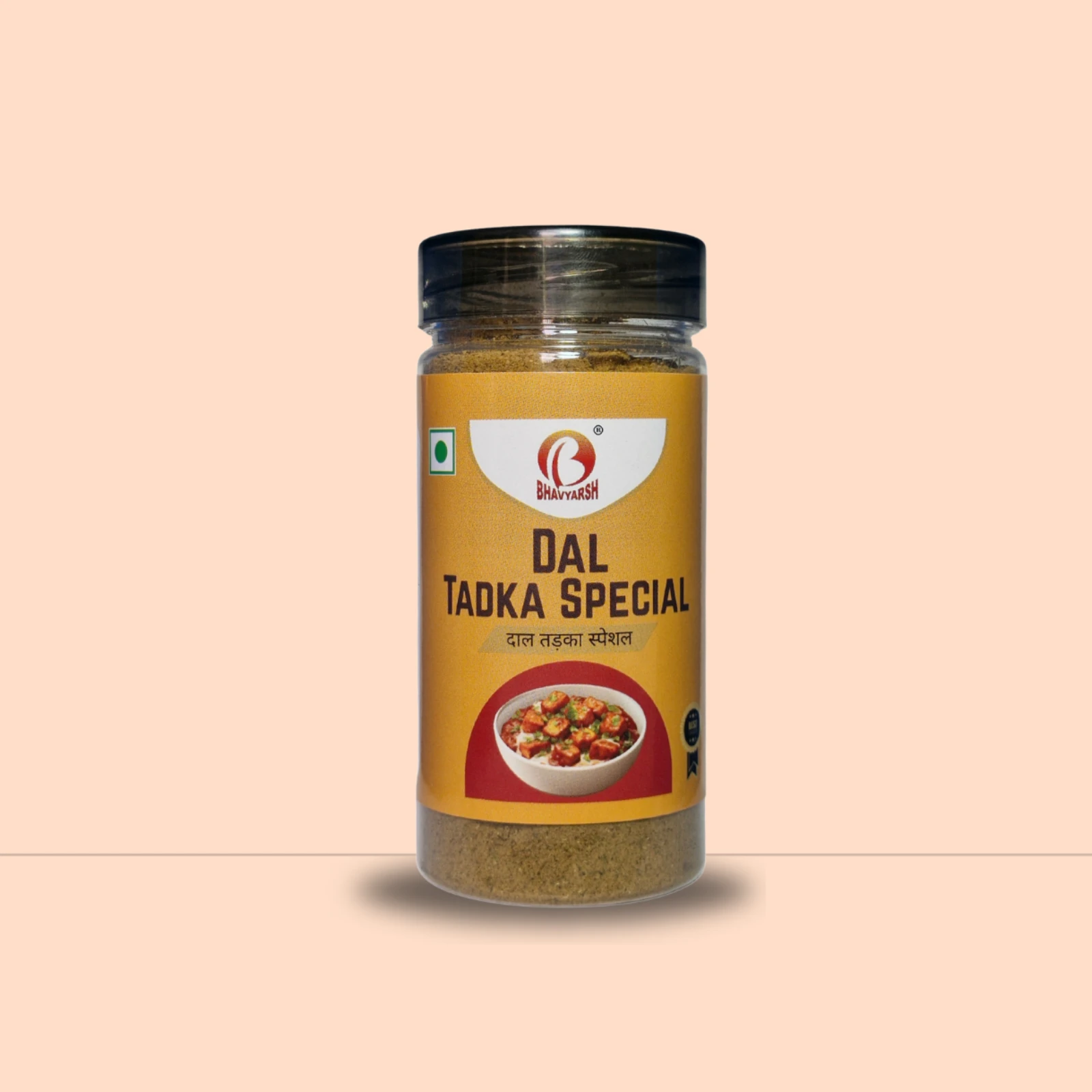
In everyday cooking, people usually want three things from a masala: aroma, balance and reliability. Aroma is what you notice first when the food is served. Balance is what keeps one spice from overpowering the dish. Reliability means the masala behaves the same way every time you use it. A good kitchen spice should not make you guess. It should help you cook faster while keeping the food close to homemade taste.
Many people compare masala blends because the names sound similar. Garam masala, kitchen king masala, chaat masala, biryani masala and dal masala all belong to the same broad family, but they are not made for the same job. Garam masala is usually warm and aromatic. Kitchen king masala is often broader and more curry-style. Chaat masala is tangy and salty. Biryani masala is deeper, richer and more layered. A dal-focused masala should feel comforting and roasted rather than heavy.
The best way to choose a masala is to ask what the dish needs. If the dish already has tomato, onion and ginger-garlic, you may need warmth and aroma at the end. Garam masala fits well there. If you are cooking a mixed vegetable curry and want an all-round flavor, a broader masala can help. If you are finishing fruit, raita or snacks, a tangy masala is better. If you are making rice dishes, you need a masala that can hold its aroma through steam and resting time.
Quantity is another common mistake. A strong masala does not need to be added heavily. Too much masala can make food taste bitter, muddy or similar across dishes. Start with a small amount, let it cook, and taste. Home cooking improves when masala supports the ingredients instead of covering them. Potato should still taste like potato, dal should still taste like dal, and curd should still feel fresh.
Freshness matters more than a fancy name. A masala that has lost aroma will not improve the dish, no matter how popular the label is. Check the smell when you open the pack. It should feel clean and lively. The color should look natural. The powder should not be damp or clumpy. Keep it in an airtight jar, away from sunlight and steam. Use a dry spoon every time. These habits keep the masala useful for longer.
For Indian homes, the best masala brand is not only the one with the loudest advertising. It is the one that gives consistent taste, clean packaging, natural aroma and trust. A good brand should make daily cooking easier. It should work in normal kitchens, with normal utensils, on normal busy days. That is the real test. If a spice only tastes good in a professional recipe but fails in dal, sabzi or chai at home, it is not practical enough.
There is also no need to keep every possible blend in the kitchen. A smart spice shelf can be simple: turmeric for color and earthiness, coriander for body, cumin for nuttiness, red chilli for heat, black pepper for sharpness, garam masala for aroma, chaat masala for tang, chai masala for tea, and one or two special blends for dal, lassi or snacks. This covers most daily cooking without confusion.
When comparing best masala for Indian cooking, remember that the best answer depends on use. One masala may be perfect for a rich curry and wrong for raita. Another may be excellent for snacks but too sharp for dal. Good cooking is not about using the most famous masala everywhere. It is about matching the masala to the food.
Bhavyarsh Masale builds its range around this practical idea. The focus is on spices and blends that fit Indian home cooking: clear aroma, familiar taste and easy use. Whether you are making a quick dal, a cup of masala chai, a bowl of lassi, a chaat plate or a simple sabzi, the right masala should make the food feel more complete. That is the standard worth looking for whenever you buy spices.
A useful way to think about best masala for Indian cooking is to separate search popularity from kitchen usefulness. A keyword may be popular because people are confused, not because one answer fits everyone. For example, many cooks ask whether two masalas are the same. Usually they are not exactly the same, but they can overlap in some dishes. The practical answer is to understand the flavor direction and then choose according to the food.
If you are buying masala online, read beyond the front label. Check the pack size, ingredient style, freshness, storage advice and whether the brand looks focused on everyday cooking. Reviews can help, but your own kitchen is the final test. A masala should make your dal, sabzi, snacks and drinks taste better without forcing every dish to taste identical.
For SEO and real readers, the best spice content should answer simple questions clearly. What does the masala taste like? Where should it be used? What is the difference from a similar blend? How much should be added? When should it be added? How should it be stored? These are the questions people actually have while cooking. A good article should help them make dinner, not just define a word.
From a home-cooking point of view, purity is also important. Pure does not mean the strongest possible flavor. It means the spice tastes clean, natural and balanced. A pure spice should not feel dusty, bitter or artificial. It should support the dish and leave a pleasant finish. This is why freshness, packaging and trust matter as much as the recipe itself.
The best long-term approach is to learn your own taste. Some homes like food hotter, some like it aromatic, some prefer tangy snacks, and some want mild daily meals. Once you know your family taste, choosing masala becomes easier. You can keep a few strong blends for special dishes and a few gentle spices for daily food. That balance is what makes an Indian spice box truly useful.
Finally, keep the article's advice simple when you apply it in your own kitchen. Choose one dish, use a small quantity, notice the aroma, and then adjust next time. This slow learning is how families develop their own taste. A spice guide is useful only when it helps real cooking, so treat these suggestions as practical starting points rather than strict rules.