Chai Masala: Taste, Uses, Storage and Buying Guide
Learn how to buy, store and use Chai Masala so your everyday meals taste fresh, balanced and naturally aromatic.
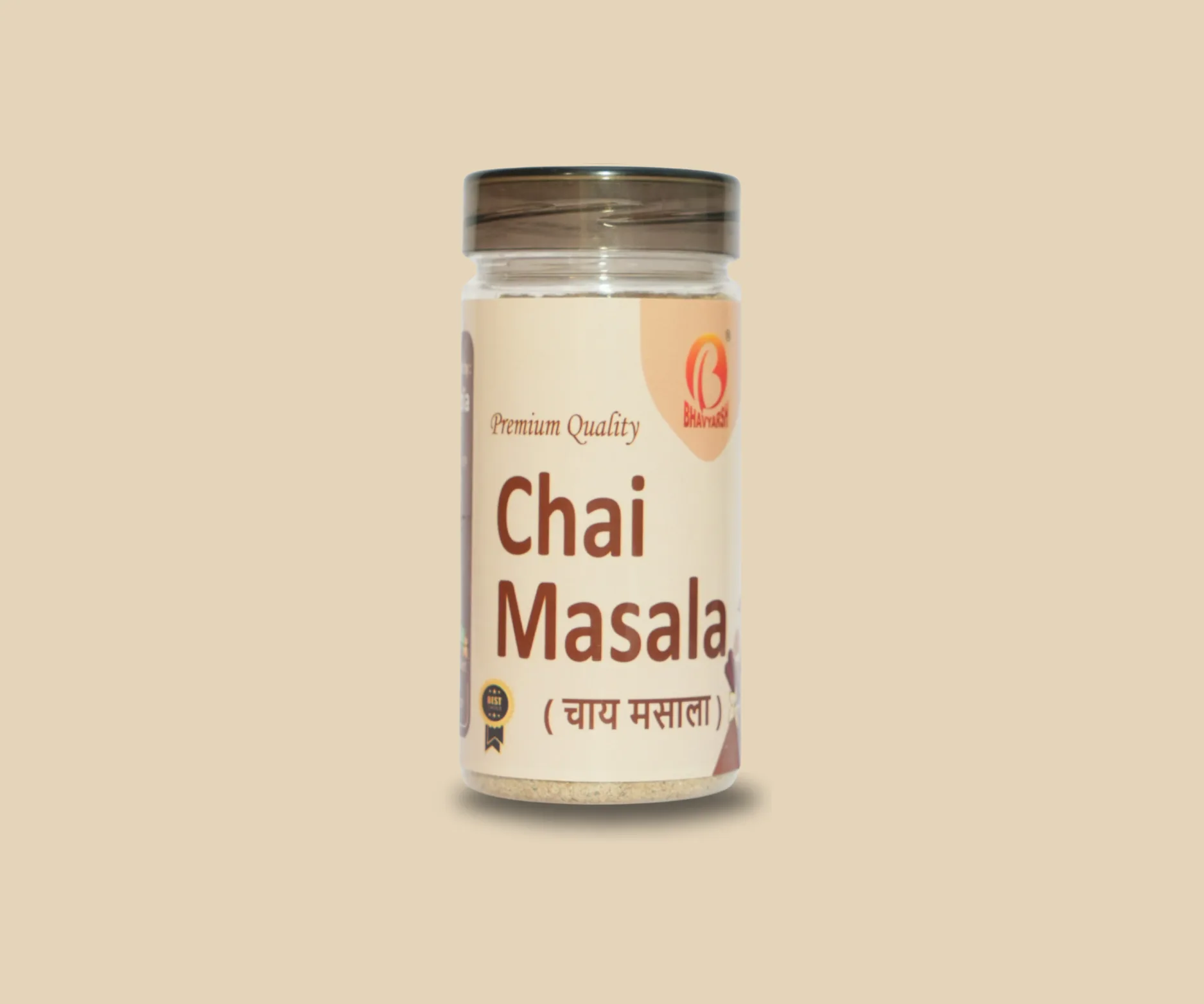
Start with aroma. A fresh pack of Chai Masala should smell clear and recognizable. It should not smell damp, old or overly sharp in a chemical way. Aroma is the first sign of quality because spices lose their strength slowly over time. If the smell is weak, you usually end up adding more quantity, and the dish still does not taste right. Good spice lets you use less and get better flavor.
Next, look at how you plan to use it. Chai Masala is useful for chai, milk drinks, winter drinks and light evening snacks. If you cook these often, keep it in your regular spice box. If you use it mainly for special dishes, buy a smaller pack so it stays fresh until the last spoon. Many kitchens buy large packs to save money, but spices are not like rice or sugar. Their real value is freshness, and freshness has a time limit.
The flavor of Chai Masala is best described as warming tea-shop style fragrance. This is why it pairs well with common Indian bases such as onion, tomato, garlic, ginger, curd, lentils and potatoes. It also works with simple food. You do not need an elaborate recipe to use it. Even a quick tadka, a dry vegetable or a bowl of curd can benefit from the right pinch.
A useful cooking habit is to add spices in stages. Some spices go into hot oil, some simmer with the gravy, and some are better at the end. With Chai Masala, try both methods in different dishes. In a curry, adding a little during cooking gives depth. In snacks or raita, adding it at the end keeps the aroma more noticeable. This flexibility is what makes it valuable in a busy kitchen.
For storage, choose an airtight jar and keep it away from the stove. Steam from cooking is one of the biggest reasons spices become lumpy and dull. If you use a masala dabba, fill only a small quantity and keep the rest sealed. Always use a dry spoon. These small habits protect flavor and also reduce waste.
If you are comparing brands, do not judge only by price. A cheaper spice that needs double quantity is not really cheaper. Look for clean packaging, consistent aroma, natural color and a taste that does not feel harsh. Over time your tongue will recognize purity. Food made with better spices tastes balanced; it does not taste like powder has been added on top.
Chai Masala can also help you cook with confidence. Once the basic spice shelf is reliable, you can make quick meals without depending too much on outside food. Dal, sabzi, rice, paratha, snacks and drinks all become easier. The goal is not to make every dish restaurant-style. The goal is to make everyday food taste honest, fresh and satisfying.
For best results, use Chai Masala with patience. Do not add too much at once. Taste and adjust. Let it bloom in warm fat when the recipe needs depth, or sprinkle it near the end when you want a fresher note. Once you understand this small difference, your food starts becoming more consistent. That is the quiet power of a good spice: it does not complicate cooking, it makes it more dependable.
A few pairing ideas make Chai Masala easier to use. With lentils, use it gently so the natural taste of dal stays clear. With potato, paneer or mixed vegetables, let the spice sit with the base for a minute so it does not taste raw. With curd-based food, add it after cooking or mixing, because fresh aroma works better there. With snacks, add it at the end and toss quickly. These small timing choices are more useful than memorising a fixed recipe.
One mistake many home cooks make is adding spice only because the dish looks pale. Color and flavor are not always the same thing. If a dish needs color, turmeric or chilli may help. If it needs body, coriander or cumin may help. If it needs aroma, a finishing masala may be better. Before adding more Chai Masala, taste the food and ask what is actually missing: salt, tang, warmth, heat, aroma or depth. This habit saves a dish from becoming overloaded.
For families, consistency matters. If children or elders are eating, keep the spice level moderate and serve extra masala on the side for people who like stronger flavor. This is especially useful for raita, chaat, dal and dry snacks. A dish can be gentle at the base and still be exciting at the table. Good spices make this possible because they stay pleasant even in small amounts.
You can also use Chai Masala when refreshing leftovers. A small tadka, a spoon of ghee, or a light sprinkle can bring back aroma without making food feel heavy. Leftover dal can become a new meal with a fresh tempering. Leftover sabzi can be used in paratha filling. Curd can become a quick side. This is how Indian kitchens reduce waste while keeping food interesting.
If you are building a spice shelf from scratch, keep Chai Masala with a few dependable basics: haldi, dhaniya, jeera, lal mirch, kali mirch and one or two blends you truly use. A clean, simple spice shelf is better than a crowded shelf full of old packets. The goal is fresh taste, not maximum number of jars. When every spice has a purpose, cooking becomes calmer and faster.
Finally, keep the article's advice simple when you apply it in your own kitchen. Choose one dish, use a small quantity, notice the aroma, and then adjust next time. This slow learning is how families develop their own taste. A spice guide is useful only when it helps real cooking, so treat these suggestions as practical starting points rather than strict rules.