How to Use Sounth Powder in Everyday Indian Cooking
A practical home-kitchen guide to using Sounth Powder in daily Indian food with the right quantity, timing and storage tips.
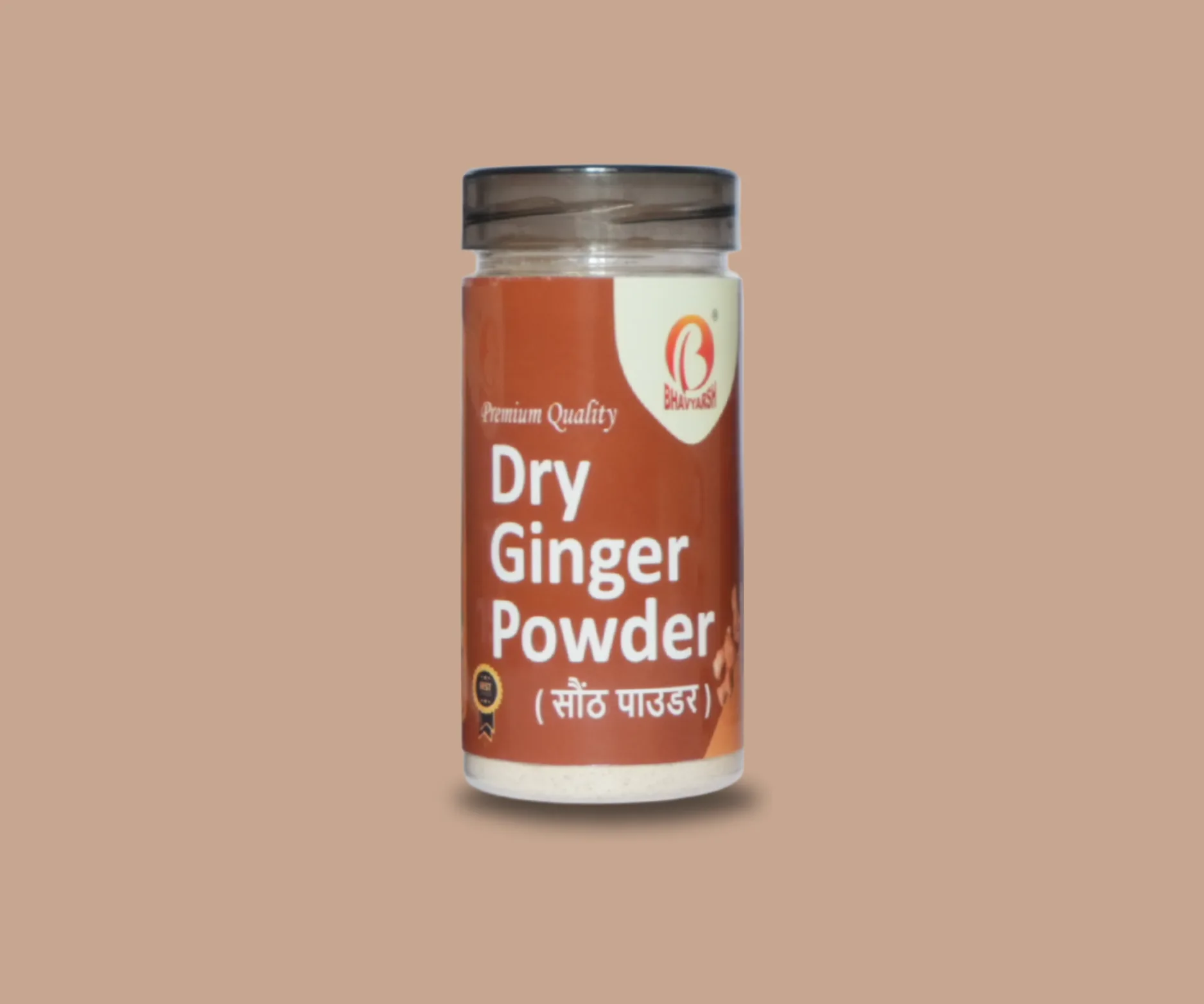
The first thing to understand about Sounth Powder is its flavor personality. It brings dry ginger warmth and a slightly sweet-spicy note. That means you should not think of it as only a finishing touch. It can become part of the base of a dish, part of the final aroma, or part of a quick seasoning mix depending on what you are making. A good spice should smell alive when the pack is opened. If the aroma is dull, dusty or flat, the dish will usually taste the same. Freshness matters more than people think.
For daily cooking, start small. Most home recipes do not need a heavy spoonful. If you are cooking for a family of four, a small pinch to half a teaspoon is often enough, depending on the dish and your taste. The safest method is to add a little, let the dish cook for a minute, taste, and then adjust. This habit keeps the spice from taking over the meal. It also helps you understand how Sounth Powder behaves with onion, tomato, curd, lentils and vegetables.
In dal and sabzi, Sounth Powder works nicely when the oil or ghee is warm but not smoking. Spices can burn quickly. If the pan is too hot, the flavor turns bitter before the aroma has a chance to open. Keep the flame medium, add the spice at the right moment, and stir for a few seconds. That small pause is often the difference between a raw spice taste and a rounded home-style taste. If you are adding it near the end, switch to low flame and let the dish rest for a minute before serving.
One practical use is to keep a small daily masala habit. For quick vegetables, use salt, a little turmeric, some coriander powder, and a careful pinch of Sounth Powder. For curd-based sides, mix it with roasted cumin, black salt, or chaat masala depending on the flavor you want. For snacks, sprinkle it lightly after cooking so the aroma stays fresh. For heavier curries, add it in layers instead of one large amount at the end.
Storage is just as important as the recipe. Keep Sounth Powder away from heat, sunlight and moisture. Do not leave the jar open near the stove, and avoid using a wet spoon. Spices absorb moisture easily, and once that happens the aroma starts falling. A small airtight container for daily use and a sealed backup pack in a cool cabinet is a simple system that works well for most homes.
When buying Sounth Powder, check three things: aroma, color and trust. The color should look natural, not unusually bright or artificial. The aroma should match the spice, not smell stale. The brand should be clear about quality and packaging. A pure spice does not need to shout; it performs in the kitchen. It blends into food cleanly and leaves a pleasant aftertaste.
Sounth Powder is also useful because it saves time. Not every meal can be slow cooked. On busy days, a balanced spice lets you make quick food without making it taste rushed. A plain dal, a potato sabzi, a bowl of raita, a sandwich filling, or a simple rice dish can all become better with one thoughtful pinch. That is the real value of a good masala in an Indian kitchen.
The best way to use Sounth Powder is to treat it with respect, not fear. Use it fresh, use it in the right quantity, and let the food guide you. Over time you will know when a dish needs more warmth, more aroma, more tang or more depth. That instinct is what makes home cooking special. Bhavyarsh Masale focuses on spices that fit into that everyday rhythm: practical, familiar, and made for real kitchens rather than only recipe books.
A few pairing ideas make Sounth Powder easier to use. With lentils, use it gently so the natural taste of dal stays clear. With potato, paneer or mixed vegetables, let the spice sit with the base for a minute so it does not taste raw. With curd-based food, add it after cooking or mixing, because fresh aroma works better there. With snacks, add it at the end and toss quickly. These small timing choices are more useful than memorising a fixed recipe.
One mistake many home cooks make is adding spice only because the dish looks pale. Color and flavor are not always the same thing. If a dish needs color, turmeric or chilli may help. If it needs body, coriander or cumin may help. If it needs aroma, a finishing masala may be better. Before adding more Sounth Powder, taste the food and ask what is actually missing: salt, tang, warmth, heat, aroma or depth. This habit saves a dish from becoming overloaded.
For families, consistency matters. If children or elders are eating, keep the spice level moderate and serve extra masala on the side for people who like stronger flavor. This is especially useful for raita, chaat, dal and dry snacks. A dish can be gentle at the base and still be exciting at the table. Good spices make this possible because they stay pleasant even in small amounts.
You can also use Sounth Powder when refreshing leftovers. A small tadka, a spoon of ghee, or a light sprinkle can bring back aroma without making food feel heavy. Leftover dal can become a new meal with a fresh tempering. Leftover sabzi can be used in paratha filling. Curd can become a quick side. This is how Indian kitchens reduce waste while keeping food interesting.
If you are building a spice shelf from scratch, keep Sounth Powder with a few dependable basics: haldi, dhaniya, jeera, lal mirch, kali mirch and one or two blends you truly use. A clean, simple spice shelf is better than a crowded shelf full of old packets. The goal is fresh taste, not maximum number of jars. When every spice has a purpose, cooking becomes calmer and faster.
Finally, keep the article's advice simple when you apply it in your own kitchen. Choose one dish, use a small quantity, notice the aroma, and then adjust next time. This slow learning is how families develop their own taste. A spice guide is useful only when it helps real cooking, so treat these suggestions as practical starting points rather than strict rules.